
Hello Cardinal Elementary Families,
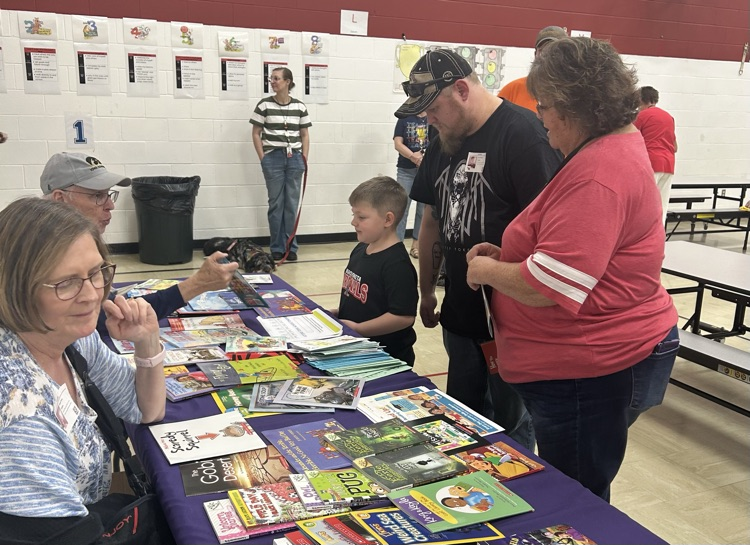
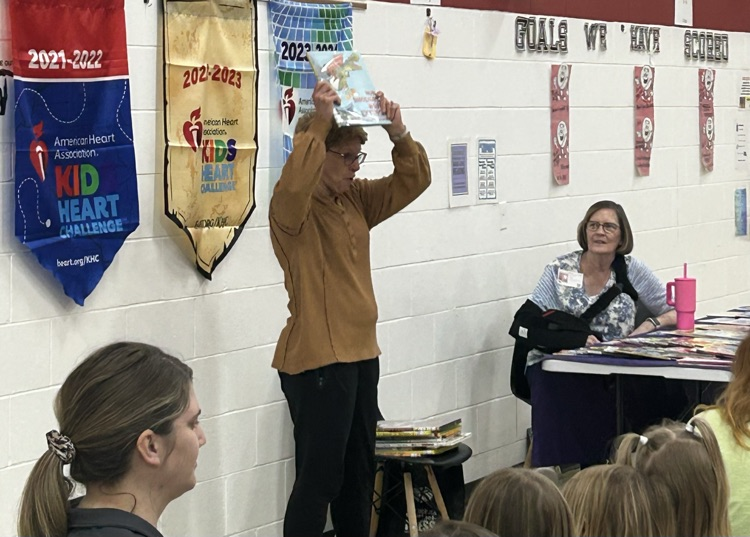
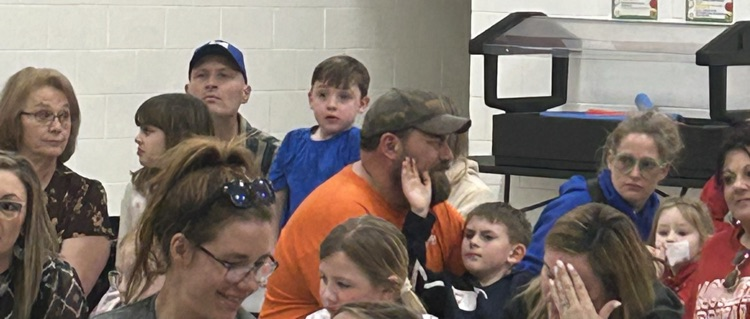
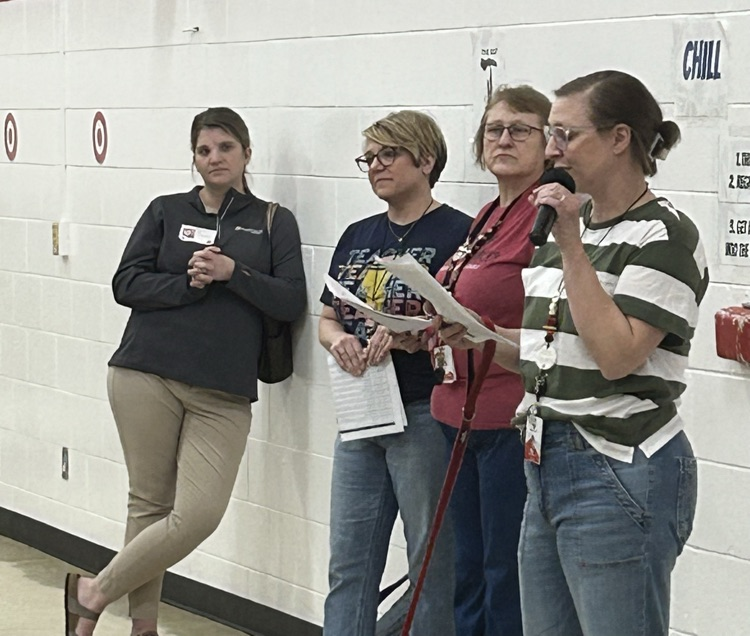
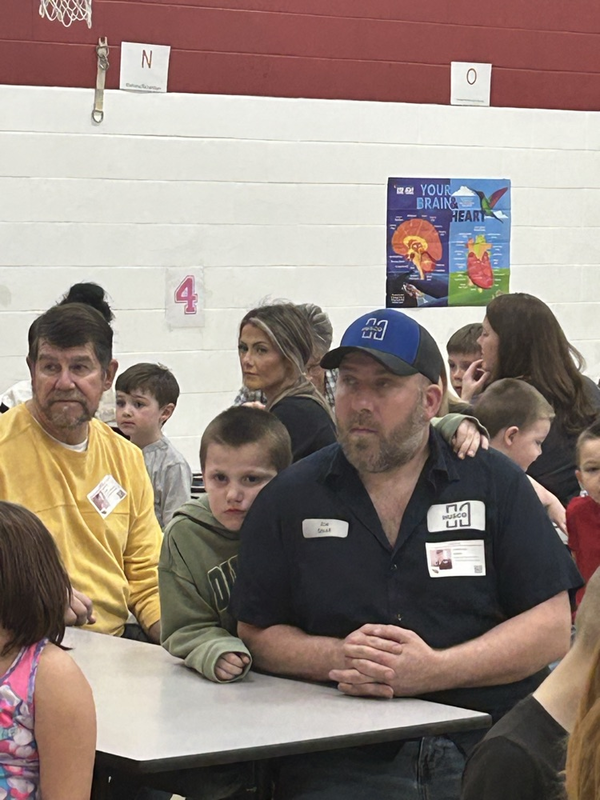
On March 20th, Cardinal Elementary hosted a literacy event called, Cookies with Cardinals. Those who were in attendance received a free book (courtesy of Joanne Evans with the Jackson County Grade Level Reading Campaign), as well as a cookie and juice (compliments of the Maquoketa Parent Lighthouse Team). We learned more about the Maquoketa Public library from our guest speaker, Carolyn Proesch, and some exciting ways to encourage and practice reading at home with your students from our Title 1 Team; Katherine Toops, Jenna Spain, and Robin Demuth.
If you were not able to make it, here is the information they shared:
Whether your child is in kindergarten, first grade, or second grade, you have incredible power to support their reading journey at home. Today, three of our wonderful teachers are going to share practical, easy strategies you can start using today—yes, today!—to help your child fall in love with reading.
Here's the beautiful truth: you don't need fancy programs or expensive materials. You just need consistency, joy, and a willingness to spend 15 to 20 minutes a day with your child and a book.
Kindergarten: Beginning Level
Children are learning letter names, letter sounds, and how to blend those sounds together to read words. This is critical foundational work!
Play Sound Games — Use activities like clapping syllables ("but-ter-fly") and rhyming words to help your child develop phonemic awareness. Ask, "What sound does 'B' make?" These activities build the auditory skills children need to connect sounds to letters.
Introduce Letters — Point out letters everywhere: on cereal boxes, stop signs, store windows. Say, "Look! That's a 'D,' and it makes the /d/ sound, like in 'dog.'" Help your child connect each letter name to its sound. This is the foundation of reading.
Practice Blending Sounds — Once your child knows individual letter sounds, help them blend those sounds together to read simple words. For example: /c/ + /a/ + /t/ = "cat." This is where reading begins! Celebrate these moments—they're huge!
Read Aloud Daily — 15 to 20 minutes every day. Use expression and enthusiasm! After you read, ask simple questions: "What was your favorite part?" "Which character did you like?" Reading aloud shows your child what fluent reading sounds like.
Limit Screens — Screens don't build the language and phonemic awareness skills your child needs. Conversation and reading together are what matter most.
1st Grade: Learning to Read
First grade is where the hard work happens. Children are decoding words and starting to experience the joy of reading independently. Here's how you can support them at home:
Support Phonics — Ask your child, "What sounds did you learn today?" Practice blending them together. You can say, “what is this word? /c/, /a/, /t/, blend it: "caaattt." Watch their faces light up when it clicks! This is real progress. If your child makes a mistake, have him/her look at your mouth to see the shape of your lips. (/m/ & /n/ are easily confused)
Use Decodable Books — These are books written with words your child can “sound out.” These are books written with the sounds and words children have already learned. They build confidence and fluency. Your child reads these independently; you read more complex books together. Both are important,but the goal is to read over & over again to gain fluency & confidence.
Keep Reading Aloud — Continue reading books together at your child’s level and to have your child listen to books you read to him or her. Your child can read simple books independently or with help. You can also read the book to your child first & then have him or her read to you. This combination is powerful—it shows them what fluent reading sounds like while building their own skills.
Practice Sight Words — Use games and flashcards to master common words like the, a, and, said. These words appear in almost every book. Master them, and reading suddenly gets easier and more enjoyable.
Talk About Words — When your child encounters an unfamiliar word, don't just skip over it or tell them what it is. Sound it out together. This teaches your child how reading actually works and builds independence.
Remember: consistency is key. Even 15 minutes a day makes a tremendous difference. Thank you for your partnership!
2nd Grade: Growing Confidence
Build Fluency — Listen to your child read aloud. Notice if they're reading smoothly and with expression. If they're rushing or stumbling, slow down and practice with appropriately leveled books—not too hard, not too easy. I like to call them “Goldilocks” books…they’re a Just Right Fit. Another way to boost fluency is to READ EVERYDAY…aim for reading 15-20 minutes daily.
Tackle Longer Words — Break larger words into chunks. Talk about prefixes and suffixes to help words like "un-happy" or "re-read" makes sense. Your child will begin to decode independently because this is very empowering!
Deepen Comprehension — Ask “thinking” type questions. Don't just ask, "What happened?" Ask the deeper questions: "Why did the character do that?" "How do you think they felt?" "What would you have done?" This moves beyond literal recall and builds real thinking skills.
Build Vocabulary Intentionally — Introduce your child to new words and use them in conversations throughout the day. Make it stick by using new words multiple times in different situations.
Connect Reading & Writing — Have your child write short sentences. Writing reinforces phonics skills and deepens their understanding of how reading and writing work together. This can be especially helpful when practicing spelling words…write them in sentences rather than in an isolated list.
Key Principles for All Grades
Before I hand it back, here are five key ideas that tie everything together:
✅ Be Consistent. Short, daily practice beats occasional long sessions.
✅ Make It Enjoyable. Follow your child's interests. Celebrate progress. Reading should be fun.
✅ Don't Skip Phonics. Phonics instruction is essential—especially for young and struggling readers…be sure to talk about the sounds in words!
✅ Encourage Sounding Out. Help your child decode words rather than guess from pictures.
✅ Communicate with Teachers. Ask what we're teaching. Ask how you can support it at home…after all we are a team.
We hope you find time to enjoy reading with your child(ren) at home. Thank you for your support as we work to help all students find a lifelong love of reading.
Warm regards,
Cardinal Elementary